English
 中文简体
中文简体
Content
- 1 Single Jet Water Meter Overview and Core Definition
- 2 How a Single Jet Water Meter Works
- 3 Single Jet vs Multi Jet Water Meter: Structural and Performance Comparison
- 4 Measurement Accuracy and Flow Sensitivity
- 5 Material Selection: Brass and Engineering Plastic for Durability
- 6 Typical Application Scenarios for Single Jet Water Meters
- 7 Installation and Maintenance Best Practices
- 8 About AMICO Single Jet Water Meters from Ningbo Shidai Instrument
- 9 Frequently Asked Questions
Single Jet Water Meter Overview and Core Definition
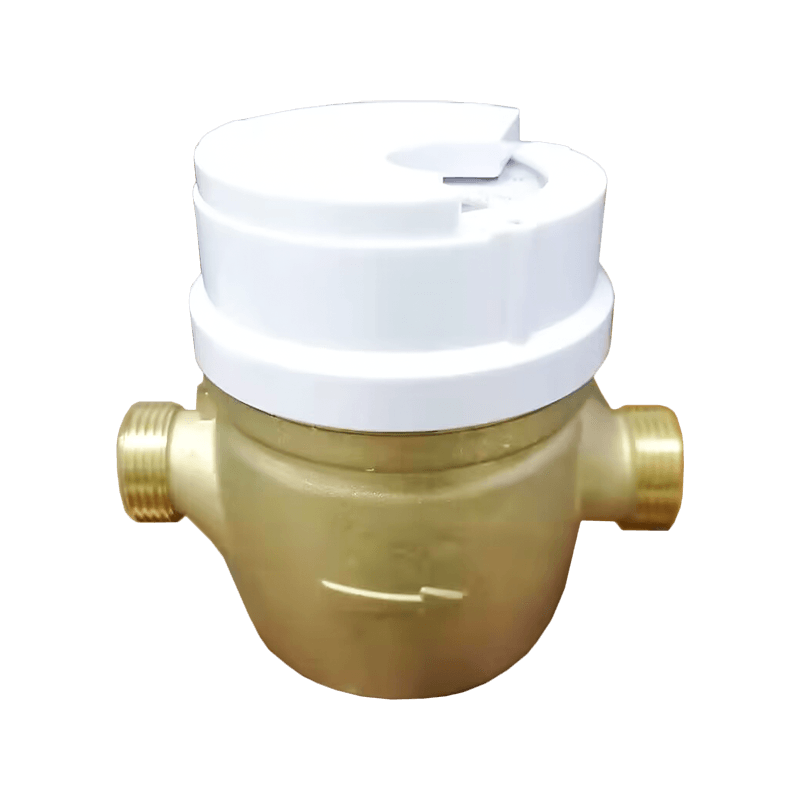
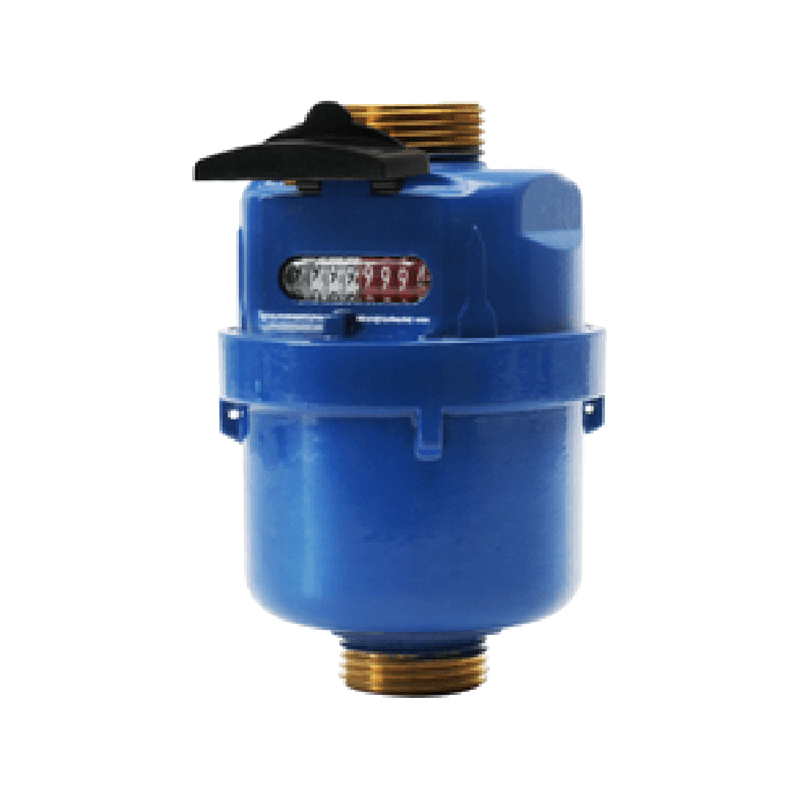
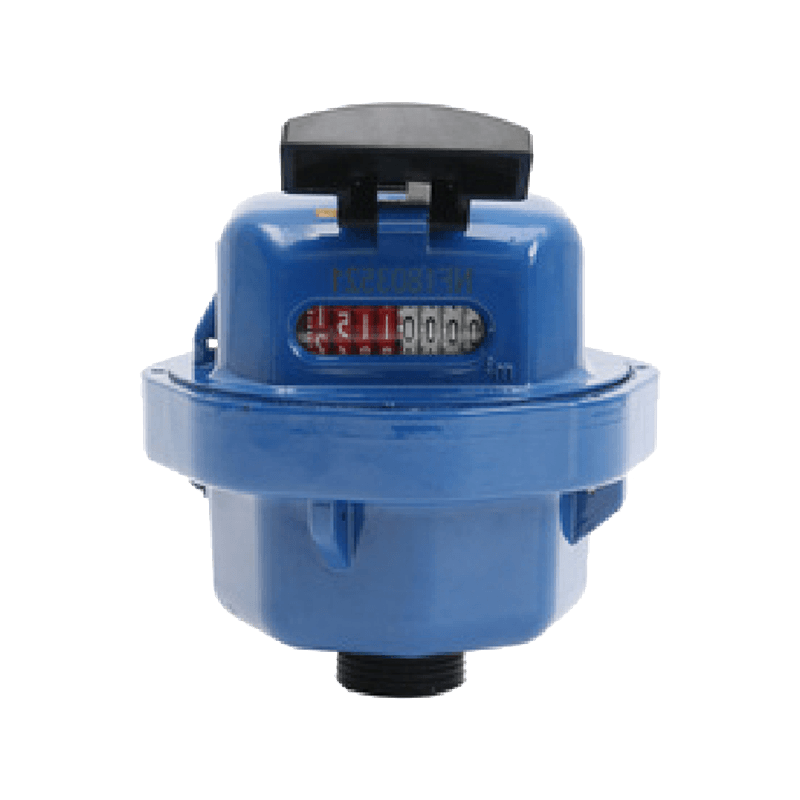
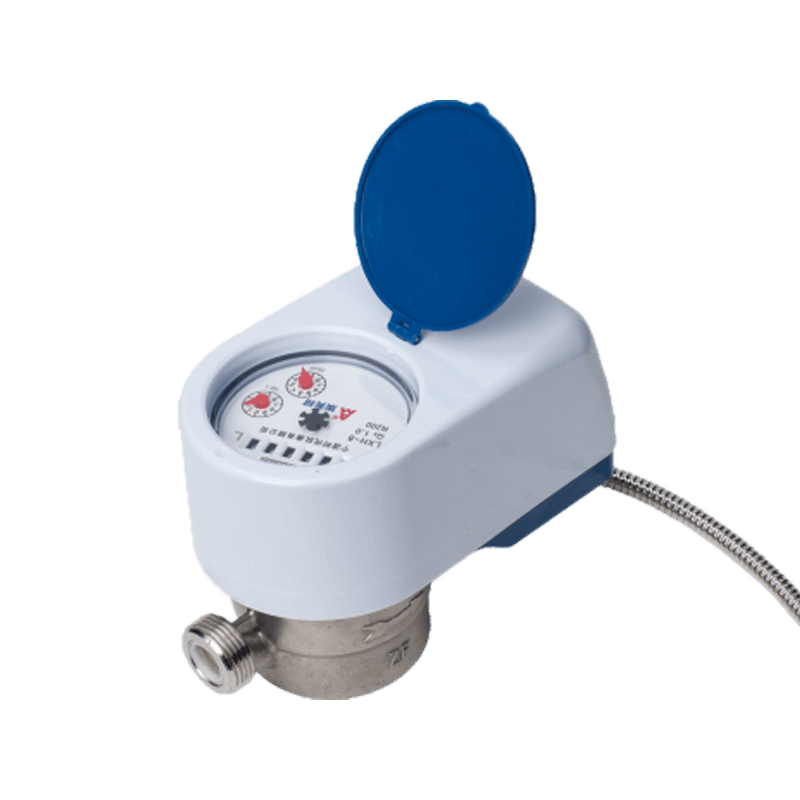
A single jet water meter is a mechanical, velocity based water metering device that uses one water jet to drive a small turbine rotor, and the rotation of that rotor is converted into a volumetric reading on a mechanical or magnetically coupled dry dial register. This design is one of the most widely used formats in household water metering because it combines a simple mechanical structure with dependable measurement behavior across normal residential flow ranges. In practical terms, when someone searches for what a jet water meter is or how a household water meter works, the direct answer is that water entering the meter body is directed through a single nozzle onto a turbine wheel, and the wheel speed is proportional to the flow rate passing through the meter. Because there is only one jet channel, the internal geometry is less complex than multi jet designs, which generally translates into fewer moving parts and a more compact mechanical layout. This article walks through the working principle, structural comparison with multi jet meters, accuracy behavior, material choices, application scenarios, and maintenance practices relevant to single jet water meters, including the AMICO branded single jet meters produced by Ningbo Shidai Instrument Co., Ltd.
How a Single Jet Water Meter Works
Inside a typical single jet cold water meter, water entering the inlet port is channeled through a narrow single nozzle that aims the flow directly at the blades of a small turbine rotor. As water strikes the rotor, the wheel spins at a speed that is mathematically related to the volumetric flow rate, and this rotational motion is transferred through a gear train to the counter register on top of the meter body. Because the register is mechanically or magnetically coupled and sealed away from the wetted parts, the reading dial stays clean and readable even after years of continuous operation. The meter body itself, commonly manufactured from brass or engineered plastic, houses the rotor chamber, the single jet channel, and the gear train, and the outlet port allows water to continue downstream after passing the measuring chamber. This mechanical arrangement is why a single jet water meter is often described as a dry dial water meter, since the counter face remains isolated from the flowing water at all times.
Structural Diagram of a Single Jet Water Meter
The diagram above is a simplified isometric style structural view rather than an exact engineering drawing, and it is intended to show the general position of the register, the rotor chamber, the single jet inlet, and the outlet within a household water meter body. It illustrates how the single jet nozzle is positioned to strike the rotor at one concentrated point, which is the defining structural difference between a single jet water meter and a multi jet water meter. The gear train that connects the rotor to the register dial is not shown in detail, but it is the mechanical link that allows the counter to display a cumulative reading of total water volume passed. This layout is common across most compact water meter single jet products intended for residential water metering and small scale commercial use. Understanding this basic layout is useful before comparing single jet meters against multi jet meters in the next section.
Single Jet vs Multi Jet Water Meter: Structural and Performance Comparison
One of the most searched comparison questions in residential water metering is single jet vs multi jet, and the direct answer is that the core difference lies in how many jet channels direct water onto the turbine rotor. A single jet water meter uses one nozzle to drive the rotor, while a multi jet water meter distributes water through several jets arranged symmetrically around the rotor chamber. This structural difference affects mechanical complexity, wear distribution, and the number of internal components, though both designs are capable of accurate measurement when properly sized for the intended flow range. The table below summarizes the general structural and application differences between the two meter types.
| Characteristic | Single Jet Water Meter | Multi Jet Water Meter |
|---|---|---|
| Number of Water Jets | One jet nozzle | Multiple jets around rotor |
| Structural Complexity | Simpler, fewer internal channels | More complex jet distribution system |
| Rotor Wear Pattern | Concentrated at one inlet point | Distributed across several inlet points |
| Typical Usage | Residential, small commercial, agricultural | Larger residential and commercial lines |
| Maintenance Inspection | Fewer components to inspect | More jet points to check over time |
Comparative Performance Radar
The radar chart above compares single jet and multi jet water meters across six qualitative dimensions rather than presenting exact certified test figures, and it is meant to show a general performance pattern rather than a precise benchmark for any specific model. Single jet meters generally score higher on structural simplicity and installation ease because the mechanism has fewer internal jet channels and fewer alignment requirements during assembly. Multi jet meters tend to distribute rotor wear across several inlet points, which can be an advantage in certain higher throughput commercial settings, though this comes with a somewhat more complex internal structure. Both designs can achieve strong low flow sensitivity, but single jet meters are frequently selected specifically because the concentrated jet impact is effective at starting rotor movement even under minimal household flow conditions. Reading this chart together with the comparison table gives a fuller picture of why single jet water meters remain a common choice for residential water metering and smaller agricultural or commercial installations.
Measurement Accuracy and Flow Sensitivity
Water meter accuracy behavior across different flow rates is generally described using the framework set out in the ISO 4064 international standard for water meters, which defines flow rate zones such as the minimum flow rate, transitional flow rate, permanent flow rate, and overload flow rate, along with the accuracy tolerance expected within each zone. In practical terms, this means a well designed single jet water meter is expected to maintain a consistent accuracy band once flow rises above the transitional zone, while performance near the minimum flow zone is the most sensitive part of the measurement curve. The chart below is an illustrative representation of this general accuracy pattern and is not a certified test result for any single specific product.
As shown in the illustrative bar chart, accuracy tends to be relatively lower near the minimum flow zone and then rises and stabilizes once flow reaches the transitional and permanent flow ranges, which is a pattern consistent with the general performance expectations described in the ISO 4064 standard rather than exact certified data for one product. This behavior is directly relevant to residential water metering because household consumption often includes long periods of very low flow, such as a slowly dripping tap or a small fixture, where the single jet design still needs to generate enough rotor torque to register movement. A single jet cold water meter that is well balanced mechanically will tend to start registering earlier in the low flow range, which supports fair and accurate billing even for minimal water usage. Flow sensitivity at the lower end of the curve is one of the main reasons single jet meters remain popular for small household connections, since oversized multi component designs are not always necessary for typical residential demand. Selecting the correct nominal flow size for the installation, rather than assuming one size fits every property, remains one of the most practical steps for maintaining accurate readings over the life of the meter.
Material Selection: Brass and Engineering Plastic for Durability
Durability in a single jet water meter depends heavily on the materials used for the meter body, the rotor, and the gear train, and the two most common choices in the industry are brass and high grade engineering plastic. A brass single jet water meter body offers strong resistance to corrosion and mechanical stress, which is one reason brass remains a preferred material for meters installed in below ground pits or in older piping systems with variable water chemistry. Engineering plastic housings, on the other hand, offer a lighter weight alternative that resists certain types of scale buildup and can be a practical option depending on regional water quality and installation requirements. Both material approaches are used across the household water metering and residential flow meter market, and the right choice generally depends on local water conditions, installation environment, and utility preference rather than one material being universally superior.
The donut chart above illustrates a typical distribution pattern of material choices seen across household water metering deployments rather than an exact market survey figure, and it is meant to give a general sense of how brass, engineering plastic, and mixed composite designs are used in practice. Brass remains the dominant choice in many markets because it is a well understood material with a long service record in plumbing and metering applications, particularly for a durable water meter intended for long term underground or outdoor installation. Engineering plastic is increasingly used in compact water meter single jet products where weight reduction and resistance to certain scale formation are priorities, especially for above ground or indoor residential installations. Mixed or composite designs, where a plastic body is combined with brass fittings at the connection points, attempt to balance weight, corrosion resistance, and thread durability at the pipe connection. When specifying a meter for a particular project, the local water chemistry, installation depth, and expected service life are the most relevant factors for choosing between these material options.
Typical Application Scenarios for Single Jet Water Meters
Single jet water meters are used across a wide range of settings, and the most common categories are residential housing, small commercial premises, agricultural irrigation, and multi unit municipal buildings. In residential water metering, a single jet meter is typically installed at the property boundary or inside a utility closet to record total household consumption for billing purposes, and its compact size makes it suitable for tight installation spaces. Small businesses such as shops, offices, and cafes often use the same meter format because their water demand profile is similar in scale to a household connection, and a single jet cold water meter is generally sufficient for this level of consumption. In agricultural settings, single jet meters are used on smaller irrigation lines where flow needs to be tracked accurately even during periods of intermittent or low volume watering.
The area chart above illustrates a general long term pattern of gradual rotor wear over years of continuous service, shown here as a slowly rising cumulative wear trend rather than an exact measured dataset for a specific meter model. This kind of gradual, predictable wear curve is one of the reasons periodic verification and eventual replacement schedules exist for mechanical water meters, since even a well built single jet meter will experience some change in rotor response after extended years of continuous flow exposure. Municipal utilities managing large numbers of residential connections typically plan replacement or recalibration cycles based on this type of expected wear pattern rather than waiting for a meter to fail outright. For property owners and utilities alike, understanding that mechanical wear is gradual and predictable, rather than sudden, supports better long term planning around household water metering assets. This is also why routine inspection is recommended as part of standard meter asset management, which is discussed further in the next section.
Installation and Maintenance Best Practices
Proper installation is one of the simplest ways to protect the long term accuracy of a single jet water meter, and a few consistent practices apply across most residential and small commercial settings.
- Install the meter horizontally where possible, since most single jet designs are calibrated for horizontal flow orientation.
- Ensure a straight section of pipe both before and after the meter to allow flow to stabilize before reaching the rotor.
- Flush the pipeline before final installation to prevent debris from entering the jet channel and affecting rotor movement.
- Check that the flow direction arrow on the meter body matches the actual direction of water flow in the pipe.
- Schedule periodic visual inspection of the register dial and connection fittings to catch leaks or reading irregularities early.
Following these practices helps a household water meter or small commercial meter maintain stable readings over its service life, and it reduces the likelihood of premature wear caused by debris or incorrect orientation. Regular visual checks, even without specialized tools, can catch early signs of leaking connections or dial fogging that may indicate a need for closer inspection. Utilities that manage large volumes of residential meters often build these basic checks into routine meter reading rounds to identify problem units before they significantly affect billing accuracy.
About AMICO Single Jet Water Meters from Ningbo Shidai Instrument
Ningbo Shidai Instrument Co., Ltd is a subsidiary of AMICO Group and operates as a comprehensive high tech enterprise focused on the research, production, and sales service of AMICO brand water metering products. The company's product range extends beyond single jet water meters to include IC card water meters, Bluetooth water meters, heat meters, photoelectric direct reading meters, pulse remote transmission meters, LORA wireless meters, NB wireless meters, WS water meters, WPD water meters, single flow communication water meters, capacitive direct drinking water meters, and intelligent water meter reading systems. This broad product portfolio allows the company to support a wide range of water metering needs, from simple mechanical single jet cold water meters for residential connections to more advanced remote reading systems for modern utility infrastructure. As part of AMICO Group, Ningbo Shidai Instrument Co., Ltd applies consistent manufacturing and quality control practices across its brass single jet water meter and plastic bodied meter lines, aiming to support reliable long term performance in residential water metering, small commercial installations, and agricultural irrigation applications.
Frequently Asked Questions
Q1: What is the typical service life of a single jet water meter?
Service life varies by water quality, installation environment, and flow conditions, but most single jet water meters are designed to operate reliably for many years before recalibration or replacement is recommended.
Q2: Can a single jet water meter accurately measure very low water flow?
Yes, single jet meters are generally designed with flow sensitivity that allows them to register movement even at minimal household flow rates, though performance near the lowest flow zone is more sensitive than at normal flow rates.
Q3: What is the main difference between single jet and multi jet water meters?
The main difference is the number of jet channels directing water onto the rotor, with single jet meters using one nozzle and multi jet meters using several jets distributed around the rotor chamber.
Q4: What materials are commonly used for single jet water meter bodies?
Brass and engineering plastic are the two most common materials, and the choice generally depends on local water chemistry, installation environment, and expected service conditions.
Q5: Are single jet water meters suitable for small commercial buildings?
Single jet meters are commonly used in small commercial settings such as shops and offices where water demand is similar in scale to residential consumption.
Q6: How often should a single jet water meter be inspected or recalibrated?
Inspection intervals depend on local utility practice and installation conditions, but periodic visual checks and scheduled recalibration or replacement cycles are common practice for maintaining long term accuracy.