English
 中文简体
中文简体
Content
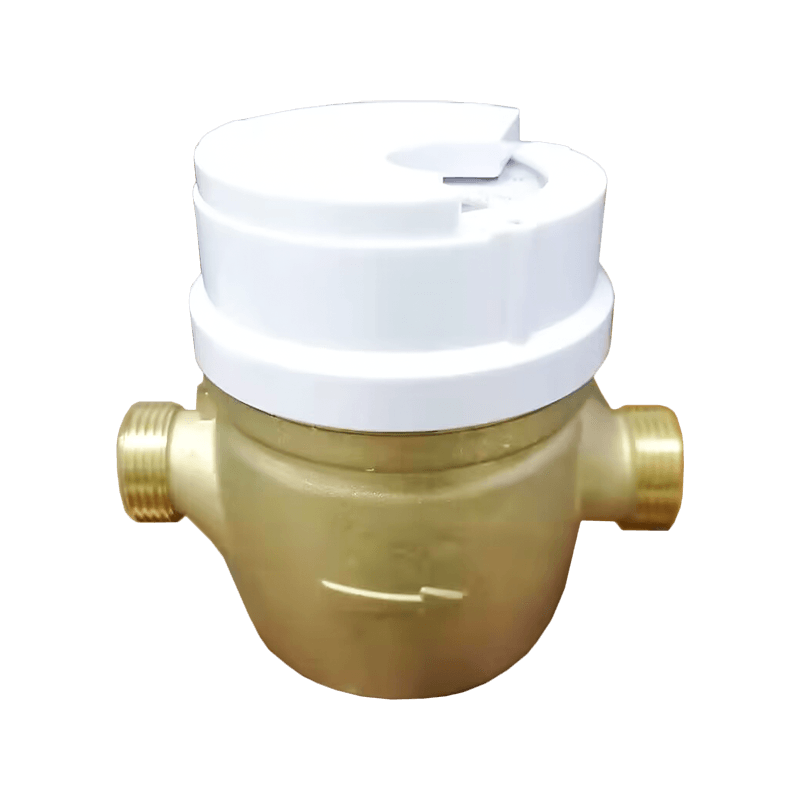
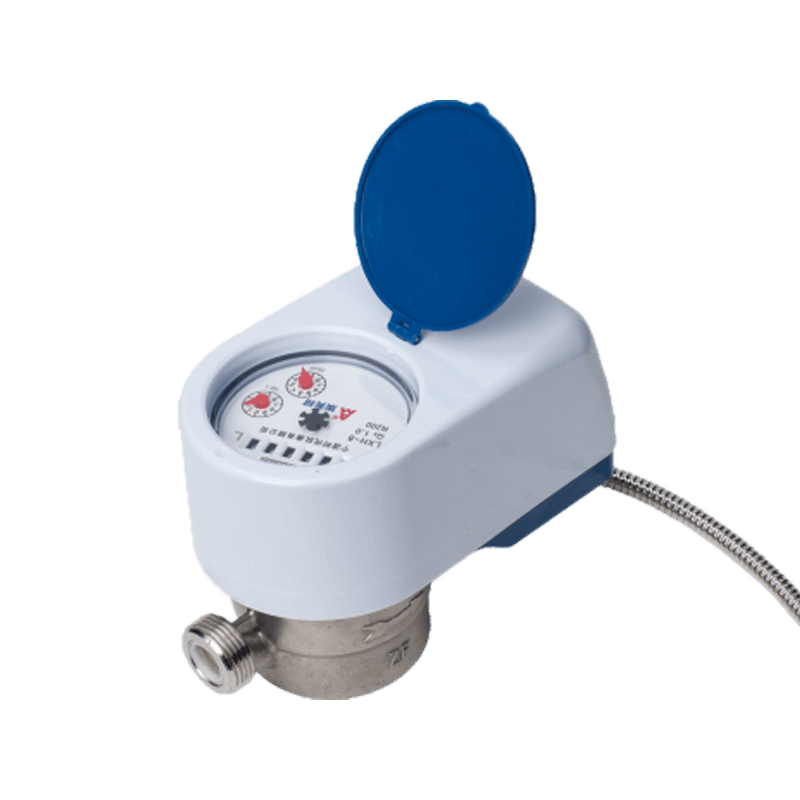
A Wireless Water Meter is a smart metering device designed to measure water consumption and transmit usage data remotely through wireless communication networks. Compared with traditional manual-reading meters, wireless water meters significantly improve efficiency, accuracy, and data management capabilities, making them a core component of modern smart water systems.
What Is a Wireless Water Meter?
A wireless water meter integrates precise flow measurement technology with embedded wireless communication modules. It automatically records water usage and sends data to a central system without the need for on-site manual reading. This makes it especially suitable for large-scale deployments such as residential communities, industrial parks, and municipal water networks.
How Does a Wireless Water Meter Work?
The operation of a wireless water meter typically includes four key steps: water flow measurement, data processing, wireless transmission, and remote monitoring. Once water usage is measured, the data is processed by an internal control unit and transmitted via wireless networks such as LoRa, NB-IoT, or Cat-1 to a cloud or management platform for analysis and billing.
Why Are Wireless Water Meters Important?
Wireless water meters help utilities and property managers reduce operational costs, minimize human errors, and detect leaks in real time. They also support smart city development by enabling data-driven decision-making and improving water resource efficiency.
Wireless Communication Technologies Used in Water Meters
| Technology | Main Advantages | Typical Applications |
| LoRa | Long range, ultra-low power consumption | Rural areas, wide-area deployments |
| NB-IoT | Strong penetration, carrier-grade stability | Urban utilities, underground installations |
| Cat-1 | High data reliability, faster transmission | Commercial and industrial water systems |
Wireless Water Meter Product Solutions
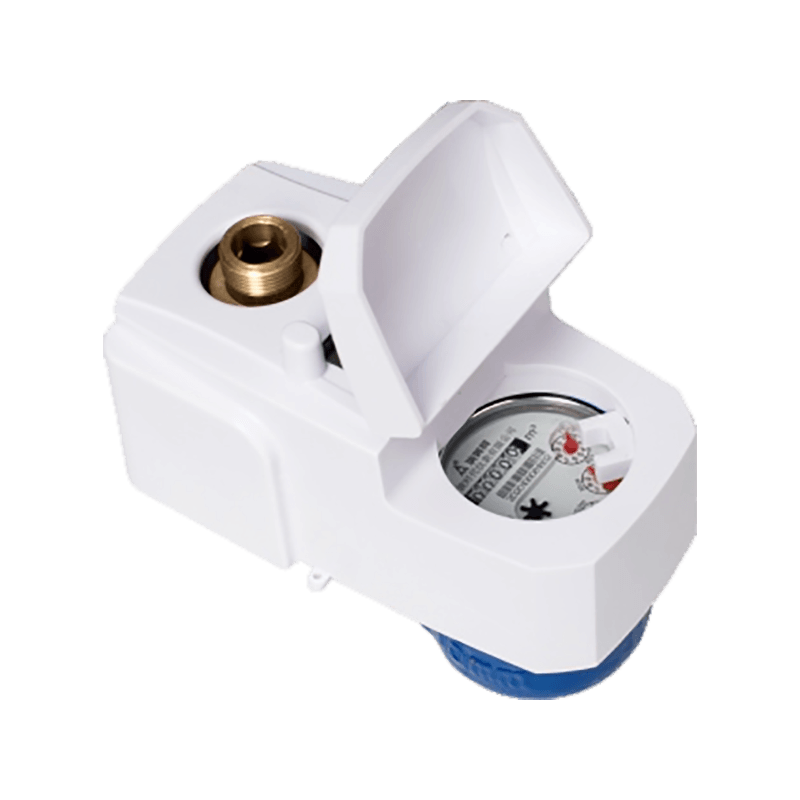
LORA Wireless Water Meter
Designed for long-distance communication with low power consumption, ideal for large-scale and low-infrastructure environments.
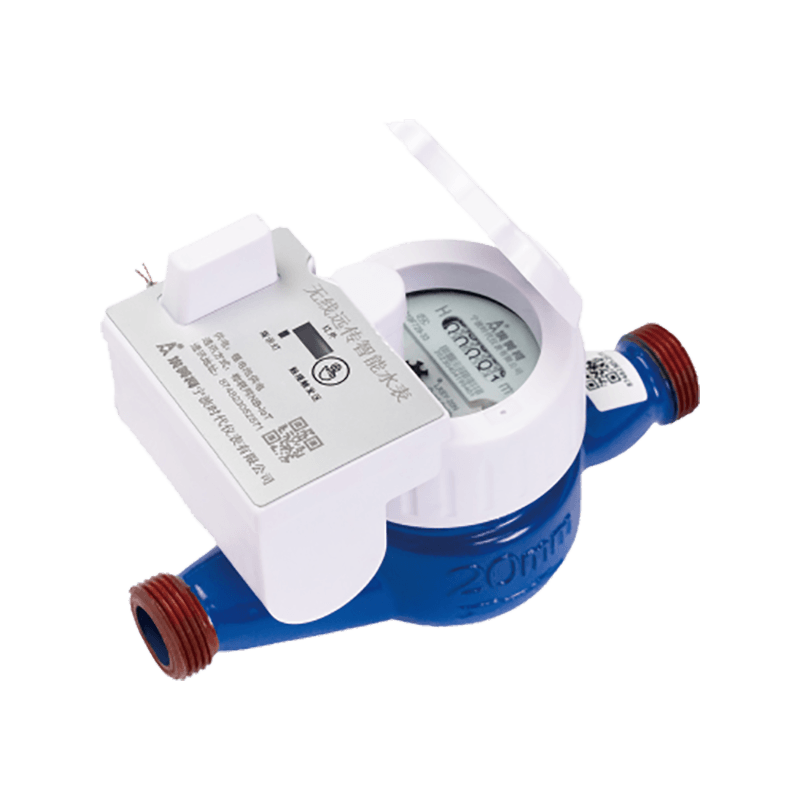
NB IOT Wireless Water Meter
Uses cellular NB-IoT networks to ensure stable data transmission, widely used in smart city and municipal water projects.
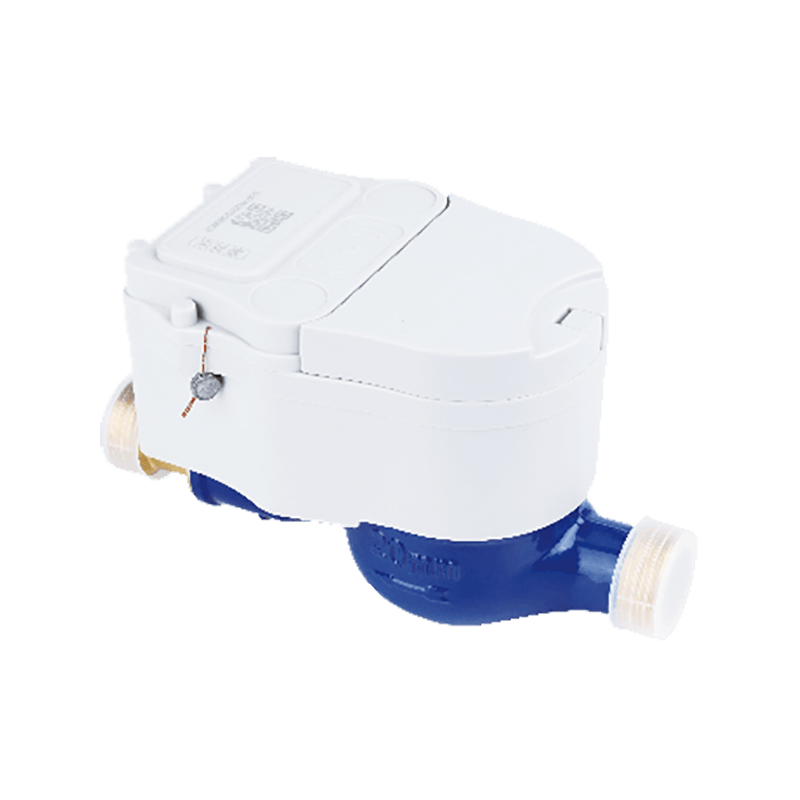
Cat 1 Wireless Water Meter
Suitable for applications requiring higher data frequency and network stability, such as commercial buildings and industrial facilities.
Wireless Water Meter vs Traditional Water Meter
| Feature | Wireless Water Meter | Traditional Water Meter |
| Data Collection | Automatic and remote | Manual reading |
| Operational Efficiency | High | Low |
| Maintenance Cost | Lower over time | Higher |
| Smart System Integration | Supported | Not supported |
Conclusion
Wireless water meters represent a major step forward in intelligent water management. By combining accurate measurement with reliable wireless communication, they enable smarter monitoring, improved billing accuracy, and more sustainable water resource utilization across residential, commercial, and industrial applications.