English
 中文简体
中文简体
Content
- 1 How Does a Prepaid IC Card Water Meter Work?
- 2 Core Technology Behind IC Card Water Metering
- 3 Comparing Meter Types: Single Jet, Multi-Jet, and Bluetooth Models
- 4 Structural Overview of a Prepaid IC Card Water Meter
- 5 Product Range: Single Jet, Multi-Jet, and Bluetooth Prepaid Water Meters
- 6 Growing Adoption of Prepaid Metering Infrastructure
- 7 Key Operational Benefits of Prepaid Water Metering
- 8 Security Features and Data Protection
- 9 About Ningbo Shidai Instrument Co., Ltd.
- 10 Industry Trends in Smart and Prepaid Water Metering
- 11 Frequently Asked Questions
- 11.1 Q1: How does a user add credit to a prepaid IC card water meter?
- 11.2 Q2: What happens when the prepaid balance on a water meter reaches zero?
- 11.3 Q3: Does installing a prepaid water meter require rewiring existing plumbing?
- 11.4 Q4: What is the advantage of a Bluetooth prepaid IC card water meter over a standard model?
How Does a Prepaid IC Card Water Meter Work?
A prepaid IC card water meter works by shifting the billing process from post-use invoicing to a pay-before-use model, where a user loads credit onto an IC card and then taps or inserts it into the meter to release a corresponding volume of water. This changes the traditional measurement and charging method used with standard tap water meters, since the payment step happens before consumption rather than after a reading is collected and billed. For utilities and property managers, this model addresses common challenges such as users being unavailable for manual meter reading or accumulating unpaid water bills, since the meter simply will not release water once the loaded credit is exhausted. The prepaid IC card water meter system requires only two parties to complete a transaction, the user and the water seller, without the need for a third-party billing intermediary. The sections below examine how this metering technology functions, compare common product variations, and outline the practical benefits and security features associated with prepaid water metering infrastructure.
Core Technology Behind IC Card Water Metering
The core of an IC card water meter system combines a mechanical or electronic flow measurement unit with an embedded card reader and a control valve that regulates water release based on available credit. When a user presents a loaded IC card to the meter, the internal controller verifies the stored credit, opens the valve, and begins deducting from the balance as water flows through the measurement chamber, closing the valve automatically once the credit reaches zero. According to general smart metering industry overviews, such as those published by the International Water Association on advanced metering infrastructure, prepaid and remote-reading meters are increasingly adopted by utilities seeking to reduce non-revenue water losses and administrative overhead associated with manual billing cycles. This technology also allows water price adjustments to be applied directly through the system's programming, without requiring any physical replacement of the meter hardware when rates change. Because installation does not require on-site wiring, a prepaid water meter can typically be installed in the same footprint and connection points as a conventional meter, simplifying retrofit projects for existing water infrastructure.
Comparing Meter Types: Single Jet, Multi-Jet, and Bluetooth Models
Prepaid IC card water meters are commonly available in several configurations, each suited to different flow conditions and connectivity requirements.
Relative Measurement Stability by Meter Type
This horizontal bar chart compares relative measurement stability across three common configurations of prepaid IC card water meters, with a longer bar indicating steadier readings across varying flow rates. The Multi-Jet Prepaid IC Card Water Meter shows the strongest relative stability in this comparison, since its multiple-jet impeller design distributes water flow across several measurement points, reducing the impact of turbulence on the reading compared to a single measurement point. The Bluetooth-enabled variant, typically built on a similar internal measurement mechanism with added wireless communication for remote reading, shows comparable but slightly lower relative stability depending on the specific internal flow design used. The Single Jet Prepaid IC Card Water Meter uses a single directed water jet against the measuring element, which is a simpler and more compact design well suited to smaller residential connections but generally shows somewhat more sensitivity to flow variation than multi-jet designs. For utilities selecting between these configurations, this comparison illustrates why multi-jet designs are often specified for locations with more variable water pressure or usage patterns. Understanding these relative differences helps property managers and water utilities match meter type to the specific flow conditions of a given installation site.
Structural Overview of a Prepaid IC Card Water Meter
The diagram below presents an isometric view of a typical prepaid IC card water meter, illustrating the general internal and external components common across single jet, multi-jet, and Bluetooth-enabled models.
This annotated isometric illustration outlines the general components found in a prepaid IC card water meter, showing the relationship between the metering body, display, and card interface. The brass meter body forms the primary housing, chosen for its corrosion resistance and compatibility with standard water connection fittings used across residential and light commercial installations. The LCD display window shows the remaining prepaid credit and, in many models, the cumulative water consumption reading, allowing users to monitor balance without requiring a separate mobile app or account portal. The IC card reader slot is where a loaded card is inserted or tapped to transfer credit into the meter's internal memory, triggering the valve to open for water flow. The water inlet and outlet valve is the mechanical component that physically starts or stops water passage based on the available credit balance calculated by the meter's internal controller. The flow measurement chamber contains the jet or multi-jet impeller mechanism that records the volume of water passing through the meter, forming the basis for credit deduction during use.
Product Range: Single Jet, Multi-Jet, and Bluetooth Prepaid Water Meters
The prepaid IC card water meter product range commonly includes several models designed around different connectivity and flow measurement approaches, as shown below.
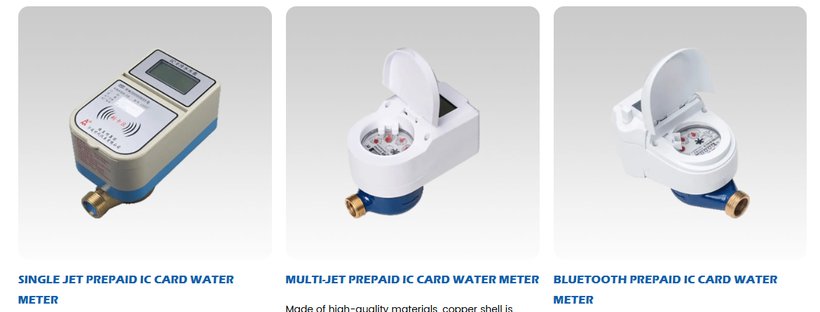
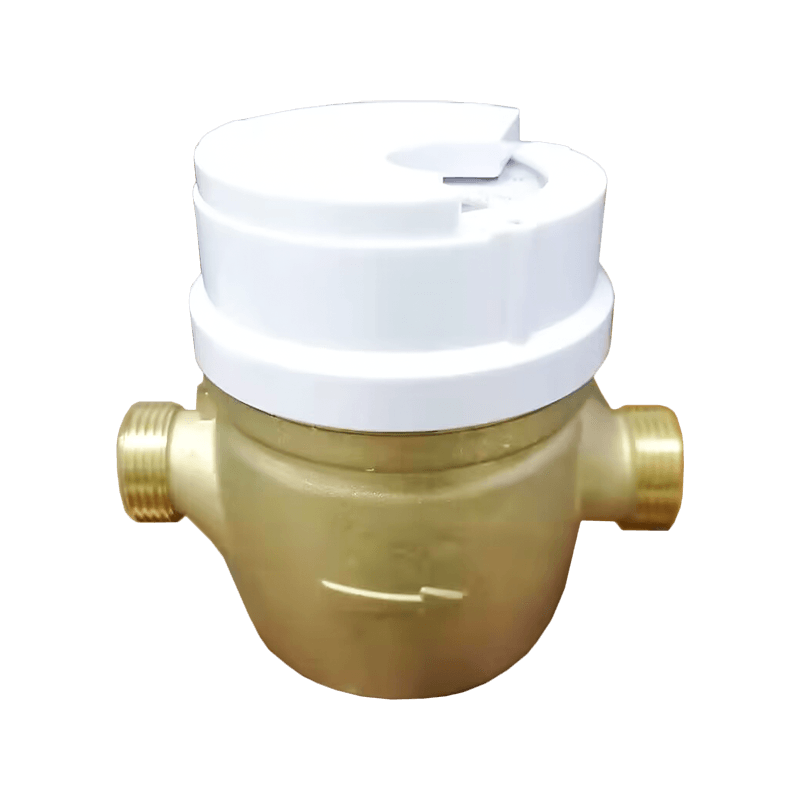
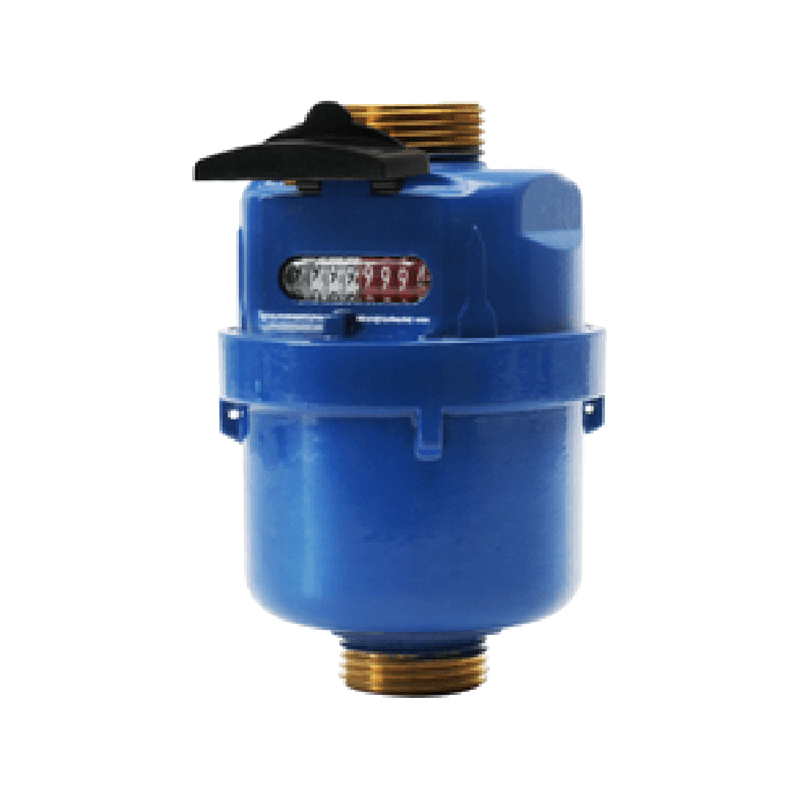
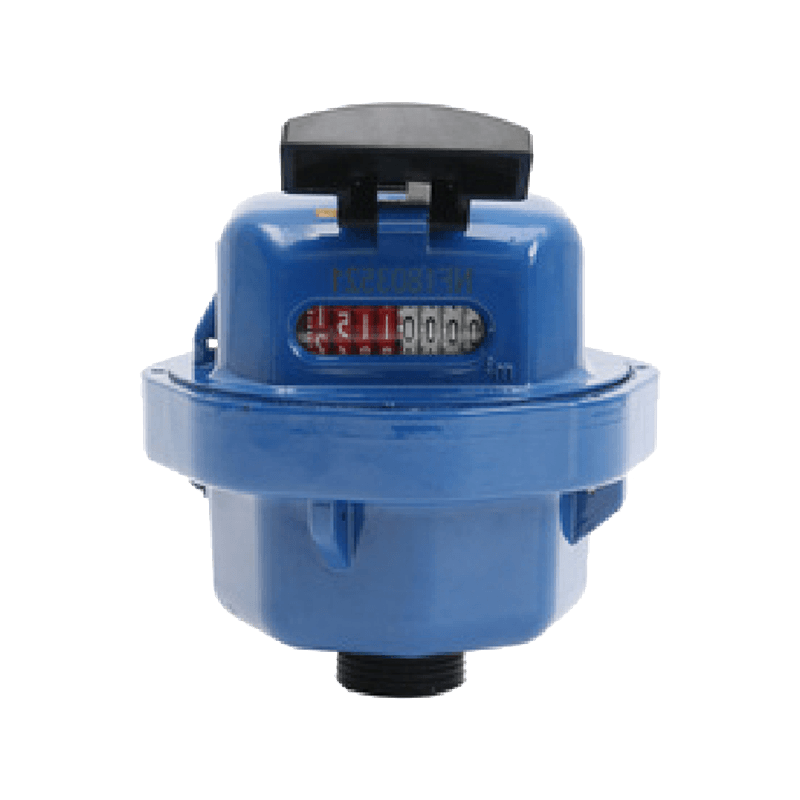
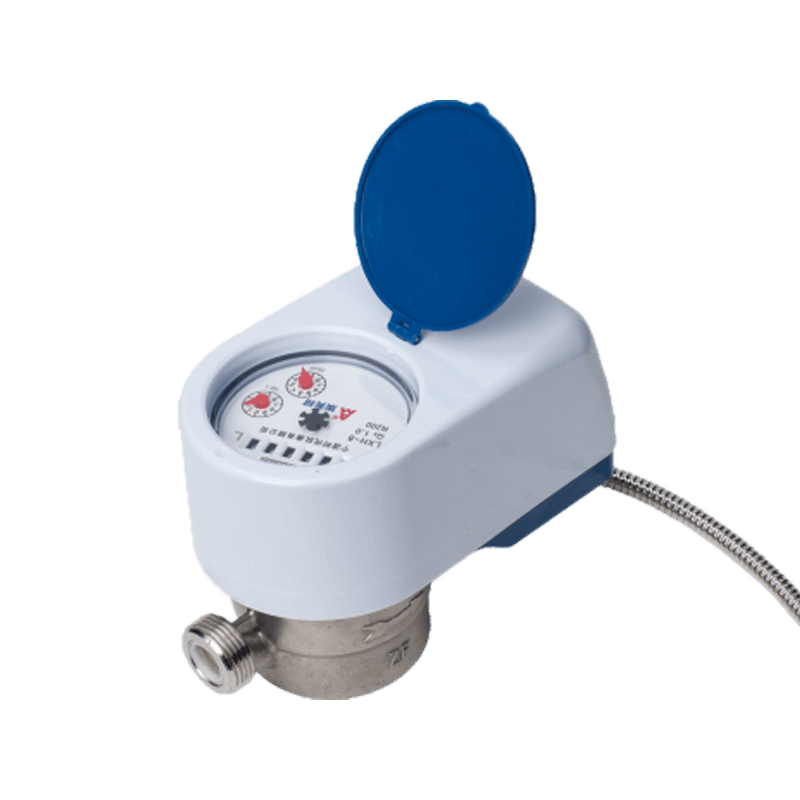
The Single Jet Prepaid IC Card Water Meter shown above uses a compact card-and-display housing suited to standard residential connections, offering straightforward prepaid metering without additional wireless connectivity requirements. The Multi-Jet Prepaid IC Card Water Meter is constructed with high-quality materials and a copper shell body, using multiple internal measurement points to maintain steadier readings under variable flow conditions common in multi-unit residential buildings. The Bluetooth Prepaid IC Card Water Meter extends the same core prepaid metering function with wireless communication capability, allowing balance and consumption data to be read remotely without requiring physical access to the meter for every transaction. Across all three models, the shared prepaid IC card structure reflects a consistent design approach focused on combining reliable flow measurement with simplified, wiring-free installation.
Growing Adoption of Prepaid Metering Infrastructure
Adoption of prepaid and smart water metering technology has expanded over the past decade as utilities and property developers look for ways to reduce administrative overhead and improve billing consistency.
General Adoption Trend for Prepaid Metering Systems
This area and line chart illustrates a general upward adoption trend for prepaid and smart water metering systems over a multi-year period, consistent with directional findings referenced in industry publications such as the International Water Association's overview of advanced metering infrastructure adoption. The rising line reflects growing utility interest in reducing non-revenue water losses, which occur when water is delivered but not properly billed due to leaks, theft, or metering inaccuracies. As the trend line climbs, it corresponds to broader recognition that a prepaid IC card water meter can reduce the administrative burden associated with manual meter reading and delinquent account follow-up. The shaded area under the line represents cumulative deployment scale, illustrating that adoption tends to build gradually as utilities complete pilot programs before scaling to wider infrastructure replacement. This general pattern applies across residential, multi-unit, and light commercial water connections where prepaid metering can be retrofitted without extensive on-site wiring work. Recognizing this broader industry trajectory helps explain why prepaid water meter technology has moved from a niche solution to a more commonly specified option in new water infrastructure planning.
Key Operational Benefits of Prepaid Water Metering
Distribution of Commonly Cited Operational Benefits
This donut chart shows a general breakdown of commonly cited operational benefits associated with prepaid IC card water meters, based on typical utility and property management priorities rather than a single proprietary survey. Theft prevention represents the largest segment, reflecting the meter's ability to restrict water flow once prepaid credit is exhausted, which reduces the risk of unauthorized or unbilled consumption. Manpower savings form the second largest segment, since the pay-first model removes the need for manual meter reading visits and reduces staff time spent following up on delinquent accounts. Billing accuracy follows, supported by the direct correlation between measured flow and deducted credit, which reduces disputes over estimated readings common in traditional post-paid billing. Easy installation makes up the smallest but still meaningful segment, reflecting the wiring-free setup process that allows a prepaid water meter to be installed using the same connection points as a conventional meter. Together, this distribution illustrates why prepaid IC card metering has become an appealing option for utilities managing large numbers of residential connections.
Security Features and Data Protection
Security is a central design consideration for IC card water meter systems, since the card carries stored credit value that must be protected against unauthorized duplication or tampering.
- Security key settings are applied to prevent stored card data from being maliciously altered or copied between transactions.
- Initialization cards used to configure meters in one operating region are generally not valid for meters registered in a different region, limiting cross-region misuse.
- Automatic valve closure once credit reaches zero prevents continued water flow without a corresponding payment record.
- Water price adjustments can be applied directly through the system without physically modifying the installed meter hardware.
- Bluetooth-enabled models add remote balance and consumption reading, reducing the need for physical card handling during routine account checks.
| Meter Model | Measurement Design | Typical Installation Context |
|---|---|---|
| Single Jet Prepaid IC Card Water Meter | Single measurement jet | Standard residential connections |
| Multi-Jet Prepaid IC Card Water Meter | Multiple measurement jets | Multi-unit or variable-flow buildings |
| Bluetooth Prepaid IC Card Water Meter | Jet measurement with wireless module | Remote or large-scale account monitoring |
About Ningbo Shidai Instrument Co., Ltd.
Ningbo Shidai Instrument Co., Ltd. is a subsidiary of AMICO Group and operates as a comprehensive high-tech enterprise specializing in the research, development, production, and sales services of AMICO brand IC card water meters, Bluetooth water meters, heat meters, photoelectric direct reading meters, pulse remote transmission meters, LoRa wireless meters, NB wireless meters, WS water meters, WPD water meters, single flow communication water meters, capacitive direct drinking water meters, and intelligent water meter reading systems. This broad product portfolio reflects the company's focus on covering multiple metering technologies within a single manufacturing and development organization, including the prepaid IC card water meter models described throughout this article.
The company's integration of research, production, and after-sales support allows it to maintain consistent quality standards across its metering product range, from single jet and multi-jet prepaid designs to Bluetooth-enabled remote reading models. This structure supports ongoing development of intelligent water meter reading systems intended to help utilities manage large connection networks with greater billing accuracy and reduced administrative overhead.
Industry Trends in Smart and Prepaid Water Metering
Water utilities worldwide have shown increasing interest in metering technologies that combine prepaid billing with remote data access, driven by ongoing efforts to reduce non-revenue water and improve operational efficiency. Industry commentary on smart water infrastructure has noted growing integration of wireless communication protocols, including Bluetooth and LoRa, into traditional metering hardware, allowing utilities to collect consumption data without requiring physical site visits for every reading cycle. Manufacturers such as Ningbo Shidai Instrument Co., Ltd. have continued to expand their prepaid and wireless metering product lines, reflecting a broader industry shift toward metering infrastructure that supports both immediate billing accuracy and longer-term remote monitoring capability across residential and light commercial water networks.
Frequently Asked Questions
Q1: How does a user add credit to a prepaid IC card water meter?
Credit is typically loaded onto the IC card through a payment point managed by the water seller, after which the card is inserted or tapped at the meter to transfer the balance into the meter's internal memory.
Q2: What happens when the prepaid balance on a water meter reaches zero?
The meter's internal valve automatically closes once the loaded credit is fully consumed, stopping water flow until the user reloads credit onto the IC card and presents it to the meter again.
Q3: Does installing a prepaid water meter require rewiring existing plumbing?
No, prepaid IC card water meters are generally designed to fit standard connection points used by conventional meters, and installation does not require on-site electrical wiring.
Q4: What is the advantage of a Bluetooth prepaid IC card water meter over a standard model?
A Bluetooth-enabled model allows balance and consumption data to be read wirelessly, reducing the need for physical card handling during routine account monitoring compared to a standard card-only meter.